

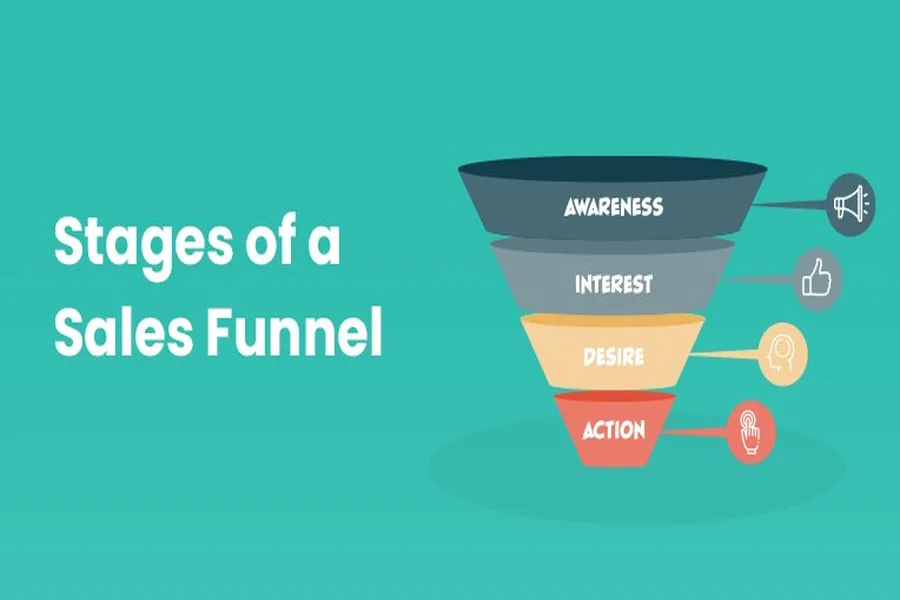
In today’s digital marketplace, businesses are constantly seeking effective strategies to engage their audience and increase sales. One of the most powerful tools at their disposal is conversion content creation. This approach focuses on crafting content specifically designed to convert readers into customers. By understanding the nuances of conversion content, businesses can enhance their marketing efforts and drive sales more efficiently.
This article will delve into the secrets of effective conversion content creation, offering insights and strategies that can make a significant difference in your sales figures.
The Importance of Conversion Content
Conversion content is not just about promoting products or services; it’s about providing value to the audience while guiding them toward a purchasing decision. This type of content addresses the needs and pain points of potential customers, making it essential for any marketing strategy. When potential buyers find content that resonates with their interests and addresses their concerns, they are more likely to convert.
According to a study by the Content Marketing Institute, companies that prioritize content marketing see six times higher conversion rates than those that do not. This statistic underscores the importance of focusing on conversion-focused content. By creating compelling and relevant content, businesses can build trust and establish authority in their niche, which ultimately leads to increased sales.
Understanding Your Audience
The foundation of effective conversion content creation lies in understanding your target audience. Without a clear grasp of who your audience is, crafting content that resonates with them becomes a challenge. Conduct thorough market research to identify demographics, preferences, and pain points of your potential customers.
Utilize tools such as surveys, social media analytics, and customer feedback to gather insights. This data can help you create personas that represent your ideal customers. By tailoring your content to meet the specific needs and desires of these personas, you enhance the likelihood of conversion.
Crafting Compelling Headlines
Once you understand your audience, the next step in conversion content creation is crafting compelling headlines. The headline is often the first point of contact a potential customer has with your content, making it critical for capturing attention. A well-crafted headline should be clear, intriguing, and relevant to the content that follows.
Consider using power words, numbers, and questions to make your headlines more engaging. For example, instead of a generic title like “Tips for Marketing,” try “5 Proven Marketing Strategies to Skyrocket Your Sales.” This approach not only piques interest but also sets clear expectations for the reader.
Providing Value Through Content
Value-driven content is at the heart of successful conversion strategies. Your audience should feel that they are gaining knowledge, insights, or solutions from your content. This could take the form of blog posts, videos, infographics, or eBooks that provide actionable advice or in-depth information.
To ensure that the content is valuable, focus on delivering practical insights and solutions that address the specific challenges faced by your audience. For instance, if you are in the fitness industry, instead of merely promoting a product, create a detailed guide on how to achieve specific fitness goals. By prioritizing value, you build credibility and trust with your audience, increasing the chances of conversion.
Utilizing Calls to Action Effectively
A crucial element of conversion content creation is the inclusion of clear and compelling calls to action (CTAs). CTAs guide readers on what to do next, whether it’s signing up for a newsletter, downloading a resource, or making a purchase. An effective CTA should be direct, concise, and aligned with the content’s purpose.
Position your CTAs strategically within your content. For example, after providing valuable insights, encourage readers to take the next step by offering a downloadable checklist or an exclusive discount. This approach not only enhances user experience but also increases the likelihood of conversions.
Leveraging Social Proof
Social proof is a psychological phenomenon where individuals look to the actions and opinions of others to determine their own. Incorporating social proof into your conversion content can significantly impact your sales. This can take the form of customer testimonials, case studies, or user-generated content.
Showcasing positive experiences from satisfied customers can help alleviate doubts and build trust with potential buyers. For instance, if you run an online course, including testimonials from past participants about how your course helped them achieve their goals can be a powerful motivator for new customers.
Optimizing for SEO
Effective conversion content creation also involves optimizing your content for search engines. By implementing SEO best practices, you increase the visibility of your content, driving more traffic to your website. Start by conducting keyword research to identify relevant terms that your audience is searching for.
Incorporate these keywords naturally throughout your content, especially in headings, subheadings, and the body text. Additionally, pay attention to meta descriptions and alt text for images, as these elements contribute to your overall SEO strategy. A well-optimized piece of content not only attracts traffic but also enhances the chances of conversion by reaching the right audience.
Analyzing and Refining Your Content
The digital landscape is constantly evolving, making it essential to analyze and refine your conversion content regularly. Utilize analytics tools to track the performance of your content, measuring metrics such as bounce rates, conversion rates, and user engagement. This data provides valuable insights into what is working and what needs improvement.
Based on your findings, make necessary adjustments to your content strategy. A/B testing is an effective method for determining which content variations resonate more with your audience. By continually refining your approach, you can enhance the effectiveness of your conversion content, leading to better sales outcomes.
Building an Email List
An often-overlooked aspect of conversion content creation is the importance of building an email list. Email marketing remains one of the most effective ways to nurture leads and drive conversions. Create content that encourages readers to subscribe to your email list, such as exclusive offers, valuable resources, or informative newsletters.
Once you have a list of subscribers, engage with them regularly by providing valuable content that aligns with their interests. Personalized emails can significantly improve conversion rates, as they make recipients feel valued and understood. By investing in email marketing, you create a direct line of communication with your audience, increasing the chances of converting leads into customers.
Conclusion
In conclusion, mastering the art of conversion content creation is crucial for businesses looking to boost their sales. By understanding your audience, crafting compelling headlines, providing valuable content, and utilizing effective CTAs, you can create content that resonates with potential customers. Leveraging social proof, optimizing for SEO, and continually refining your content strategy further enhance your chances of success.
As the digital landscape continues to evolve, staying informed about the latest trends and best practices in conversion content creation will empower you to adapt and thrive. By implementing these strategies, you can unlock the secrets to increasing sales fast and achieving long-term business growth.
