

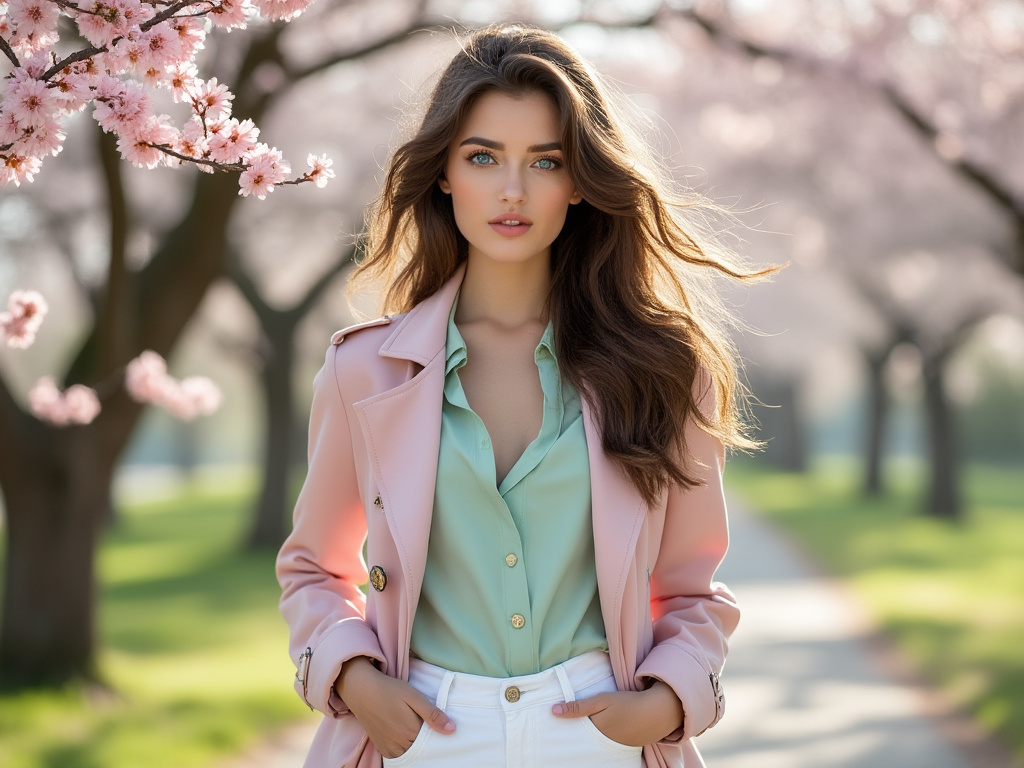
Fashion is not only about clothing cuts, fabrics, or trends. Color plays an equally important role in how your outfits look and how you feel wearing them. The shades you choose can influence confidence, highlight your best features, and help express your personality. That is why learning How to Choose the Right Colors for Your Style can completely change the way you build your wardrobe.
Many people buy clothes simply because they like a color on the hanger. But a color that looks beautiful in a store may not always work the same way once worn. Skin tone, hair color, eye color, lifestyle, and even personal energy can all influence which shades feel natural and flattering.
The good news is that you do not need to be a fashion expert to understand color styling. With a few practical principles, anyone can build outfits that feel balanced, polished, and true to their personality.
In this guide, you will learn how to identify the colors that work best for you and how to use them confidently in everyday fashion.
Understand Your Skin Tone and Natural Features
One of the most helpful starting points in choosing colors is understanding your skin tone. Skin tone often influences which shades naturally complement your appearance.
Most people fall into one of three broad categories: warm, cool, or neutral.
Warm undertones often pair well with earthy colors such as olive green, mustard, warm red, cream, and rich brown. These shades usually create a natural glow.
Cool undertones often work beautifully with colors such as navy, deep purple, blue, soft pink, and jewel tones. These colors can create contrast and brightness.
Neutral undertones often have flexibility and can wear both warm and cool shades comfortably.
Hair and eye color also affect how certain shades appear. Dark hair may create strong contrast with lighter clothing, while lighter hair tones may pair beautifully with softer shades.
Standing near natural light with different fabric colors can help you notice which shades make your skin appear brighter and more refreshed. For updated information, visit boringmagazine.co.
Build a Personal Color Palette
Once you understand your natural coloring, the next step is building a personal color palette.
A personal color palette is a group of shades that work well together and reflect your personality. This helps make shopping easier and outfit planning more consistent.
Start with foundation colors. These are the shades you wear most often, such as black, navy, gray, white, beige, or brown.
Then add accent colors that bring life to your wardrobe. These may include green, burgundy, blue, soft pink, or other shades that complement your appearance.
Having a clear palette prevents random shopping decisions and helps every clothing piece work together.
A well planned wardrobe often feels more stylish because the colors naturally create harmony.
Match Colors With Your Personality and Lifestyle
Fashion should not only look good. It should also feel authentic.
Color often communicates mood and personality. Some people feel confident in bold shades, while others feel more comfortable in softer tones.
If your personality is energetic and expressive, brighter colors may feel natural. Shades such as red, royal blue, or emerald green can create strong visual impact.
If your style is calm and minimal, neutral tones may feel more aligned with your identity.
Lifestyle matters as well. Someone working in professional environments may prefer classic and versatile colors, while someone in creative spaces may enjoy more artistic combinations.
Choosing colors that match your daily life makes your wardrobe more practical and enjoyable.
Learn Basic Color Pairing Techniques
Many people struggle with combining colors even when they own beautiful clothing. Understanding basic color pairing can make outfit building much easier.
One of the simplest methods is using neutral colors as a base. Black, white, gray, beige, and navy pair easily with most shades.
Another approach is monochromatic dressing. This means wearing different shades of the same color. For example, light blue with navy or beige with cream can create an elegant look.
Complementary colors can also create strong visual balance. These are colors that contrast naturally while still working together.
If you are new to color styling, start simple. One accent color paired with neutral basics often creates a polished appearance.
Confidence grows as you experiment with combinations that feel natural.
Use Seasonal Colors Without Following Every Trend
Fashion trends change often, but personal style usually lasts longer than seasonal trends.
Every year, certain colors become popular. While trends can inspire fresh ideas, they should not completely define your wardrobe.
Instead of buying every trending shade, focus on colors that genuinely suit your features and lifestyle.
Seasonal changes can still influence your wardrobe in natural ways. Lighter colors often feel fresh during warmer months, while deeper tones may feel comfortable during cooler seasons.
This allows your wardrobe to feel updated without losing your personal identity.
Fashion works best when trends support your style rather than replace it.
Use Accessories to Test New Colors
If you are unsure about wearing a new shade, accessories can be a simple starting point.
Scarves, bags, shoes, jewelry, hats, or watches can introduce color without changing your entire wardrobe.
This helps you see how a color works with your skin tone and clothing choices before investing in larger pieces.
Accessories also allow you to add personality to simple outfits.
A neutral outfit with colorful details often looks thoughtful and stylish without feeling overwhelming.
Trying new colors through small pieces can build confidence and expand your fashion choices over time.
Final Thought
Learning How to Choose the Right Colors for Your Style is about more than matching clothes. It is about understanding what makes you feel confident, comfortable, and authentic.
The right colors can brighten your appearance, improve outfit coordination, and help express your personality in a natural way.
By understanding your skin tone, building a personal color palette, learning basic color combinations, and experimenting with confidence, you can create a wardrobe that feels both stylish and practical.
Fashion does not need to be complicated. Sometimes the right color choice can make the biggest difference of all.
When your wardrobe reflects who you are, style becomes effortless and far more enjoyable.
FAQs
How do I know which colors suit me best?
You can start by understanding your skin undertone and testing different shades in natural light to see what looks most flattering.
Can neutral colors still look stylish?
Yes, neutral colors often create timeless and polished outfits that work in many situations.
Do I need to follow seasonal color trends?
No, personal style matters more than trends, and you should choose colors that fit your appearance and lifestyle.
What colors are easiest to mix and match?
Black, white, gray, navy, beige, and brown are often the easiest colors to combine.
Can accessories help me try new colors?
Yes, accessories are a simple way to test new shades before adding larger clothing pieces to your wardrobe.
Does hair color affect clothing color choices?
Yes, hair color can influence how certain shades appear and may help create stronger contrast or softer balance.
